

Last Updated: November 20, 2026
Quick Summary
To measure cat harness fit, wrap a soft tape around the widest part of the chest just behind the front legs, then around the base of the neck where a collar sits. Record both numbers in inches, keeping the tape snug with room for one finger, and remeasure to confirm matching readings.
- The chest girth line sits just behind the front legs where the rib cage is broadest.
- The tape should sit close to the fur with room for one finger underneath, no more.
- Readings that differ by more than half an inch mean your cat moved, so measure again.
- A chart listing only weight is not a size chart for a harness.
- Two fingers should slide under the neck strap and one under each chest strap.
Table of Contents
- How to Measure Cat for Harness in Inches: Step by Step
- Reading a Cat Harness Size Chart
- Can You Pick a Cat Harness Size by Weight?
- How to Fit a Cat Harness After It Arrives
- Measuring a Squirmy or Nervous Cat Safely
- Shop Cat Harnesses Sized for a Secure Fit
- Frequently Asked Questions
How to Measure Cat for Harness in Inches: Step by Step
Learning how to measure cat harness fit takes about five minutes and two numbers: chest girth and neck circumference. A common mistake is guessing a size from a cat's weight, ordering, and watching the harness slide off on the first walk. A soft tape measure and a calm cat fix that.
Step 1: Find the Widest Part of the Chest
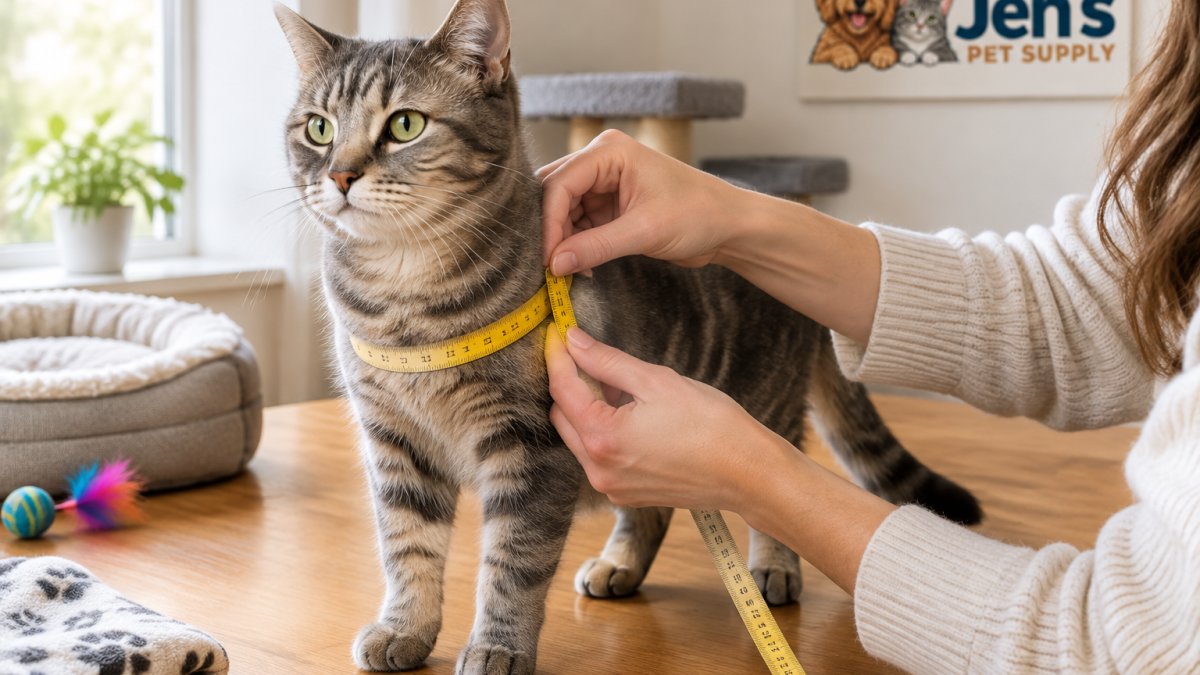
The widest part of the chest sits just behind the front legs, where the rib cage is broadest. Run your hand along your cat's side until you feel the ribs end and the belly begins. That spot is your chest girth line.
A flexible measuring tape works best. If your cat is wriggly, use string instead, then lay it flat against a ruler.
Step 2: Wrap the Tape Behind the Front Legs
Wrap the tape around the torso so it passes behind the front legs and across the widest part of the chest.
Snug matters more than loose: the tape should sit close to the fur without pressing into the skin, with room for one finger underneath, no more.
If you also have a dog at home, our guide on how to measure your dog for a harness that actually fits uses the same method.
Step 3: Measure the Neck Circumference
Neck circumference is the second number, and it is the one people skip. Wrap the tape around the base of the neck, where a collar naturally sits.
Record this in inches too. Some harness styles rely on the neck measurement more than others, so having it saves a second round of measuring.
Step 4: Write Down Both Numbers and Remeasure
Write both numbers down. Then measure once more, ideally when your cat is standing still and relaxed.
Matching readings give you confidence. Readings that differ by more than half an inch mean your cat moved, so try again.
| Measurement | Where to Place the Tape | What to Record |
|---|---|---|
| Chest girth | Widest part of the rib cage, behind the front legs | Inches, snug but not tight |
| Neck circumference | Base of the neck, where a collar sits | Inches, level all the way around |
Reading a Cat Harness Size Chart
A cat harness size chart lists chest girth ranges, and sometimes neck ranges, for each size. Find the size whose range contains your cat's chest measurement.
Check the neck range too when the chart lists it. The harness has to clear the head going on, so a neck range that is too small means the harness will not slide over.
What to Do When Your Cat Falls Between Sizes
Falling between sizes is normal and the most common reason a harness gets returned. Work through these three questions in order.
- Is the harness adjustable at the chest? A harness with two or more chest adjustment points can usually be sized up and cinched down. A fixed-loop or single-strap design cannot, so buy to the larger measurement.
- Which measurement is closer to the edge? If your cat's chest is 12.4 inches and the small tops out at 12.6, the small will fit but with almost no margin. If the chest is 12.8 and the medium starts at 12.6, the medium has room to tighten. When in doubt, size to the range your measurement sits deeper inside.
- Does the chart list a neck range? A cat with a wide chest and a narrow neck may need the size that clears the head, then tightened at the chest. The neck range is the hard limit; the chest range is the adjustable one.
How Harness Style Changes Which Measurement Matters
Not every harness leans on the same number, which is why two charts can disagree for the same cat.
| Harness Style | Primary Measurement | Why It Matters |
|---|---|---|
| Vest or padded | Chest girth | The wide panel must wrap the rib cage without gapping at the sides |
| H-style (strap) | Chest girth and neck | Straps sit behind the front legs and across the chest; both runs need to fit |
| Step-in | Chest girth | The cat steps into leg openings, so the chest loop sets the fit |
For a vest-style harness, a chest measurement landing mid-range gives the panel enough coverage to stay put.
Watch out: a chart that lists only weight is not a size chart for a harness. Weight tells you nothing about chest width, and a long, lean cat and a round-chested cat at the same weight can need different sizes.
Can You Pick a Cat Harness Size by Weight?
Weight alone is not a reliable way to pick a cat harness size. Two cats at the same weight can carry it very differently, one long and lean, one round through the chest.
Weight can point you toward a starting size; a proper measure cat harness check with chest girth confirms it. If your cat sits between two sizes, trust the tape measure.
How to Fit a Cat Harness After It Arrives
Fit the harness before the first walk, indoors, with the leash off. Slide it on, buckle it, and adjust each strap so it sits snug against the body. Then run a fixed sequence of checks rather than eyeballing it.
The Four-Point Fit Check
- Strap tension. Two fingers should slide under the neck strap, one under each chest strap. If you can fit two fingers under a chest strap, it is loose enough to slip; if you cannot fit one, it is pressing into the skin.
- D-ring position. The leash attachment should sit centered on the back, between the shoulder blades. A D-ring that drifts to one side means the straps are unevenly adjusted.
- Panel and strap alignment. No strap should twist, and a vest panel should lie flat against the sides without bunching at the shoulders or digging under the front legs.
- Closure security. Tug each buckle and clip gently. Snaps should seat with an audible click, and hook-and-loop panels should overlap fully, not just at the corners.
The Escape Check
With the harness on and the leash off, gently pull the harness back over the shoulders toward the head. A correctly fitted harness moves a little and stops.
Then watch your cat walk, turn, and crouch. A harness that rides up when the cat crouches or shifts sideways when it turns is too loose, even if the tape said otherwise.
Diagnosing a Bad Fit
- Slips over the head: the chest straps are too loose, or the neck opening is too large for the cat's build. Tighten the chest first; if it still slips, the size is wrong.
- Rubs under the front legs: the chest strap sits too far forward or too tight. Move it back toward the widest part of the rib cage and loosen one notch.
- Bunches at the shoulders: a vest panel is too long for the cat's torso, or the front straps are over-tightened. This is a sizing issue more often than an adjustment issue.
A Final Comfort Pass
Leave the harness on for ten to fifteen minutes indoors and watch for scratching at the straps, flattening when the harness goes on, a hunched posture, or a changed gait. Any of these means another adjustment.
If your cat is older or has joint stiffness, check for rubbing at the shoulders and under the front legs more often, since a senior cat may not show discomfort the same way a younger cat does.
Measuring a Squirmy or Nervous Cat Safely
Measure a nervous cat in short bursts, not one long session. Get the chest reading first, let your cat go, and take the neck reading a few minutes later.
- Measure on a non-slip surface where your cat feels steady
- Have a second person offer a treat or a slow chin scratch
- Use string instead of a tape if your cat bolts from the crinkle sound
Never scruff a cat to hold it still for measuring. If your cat panics, stop and try again later. The numbers will still be there tomorrow.
Shop Cat Harnesses Sized for a Secure Fit
Once you have both numbers, matching them to a harness is straightforward.
For very small cats and kittens, the extra-small adjustable harness fits chest girth from 8.7 to 12.6 inches. Cats in the middle range fit the small adjustable harness, and larger cats fit the medium adjustable harness.
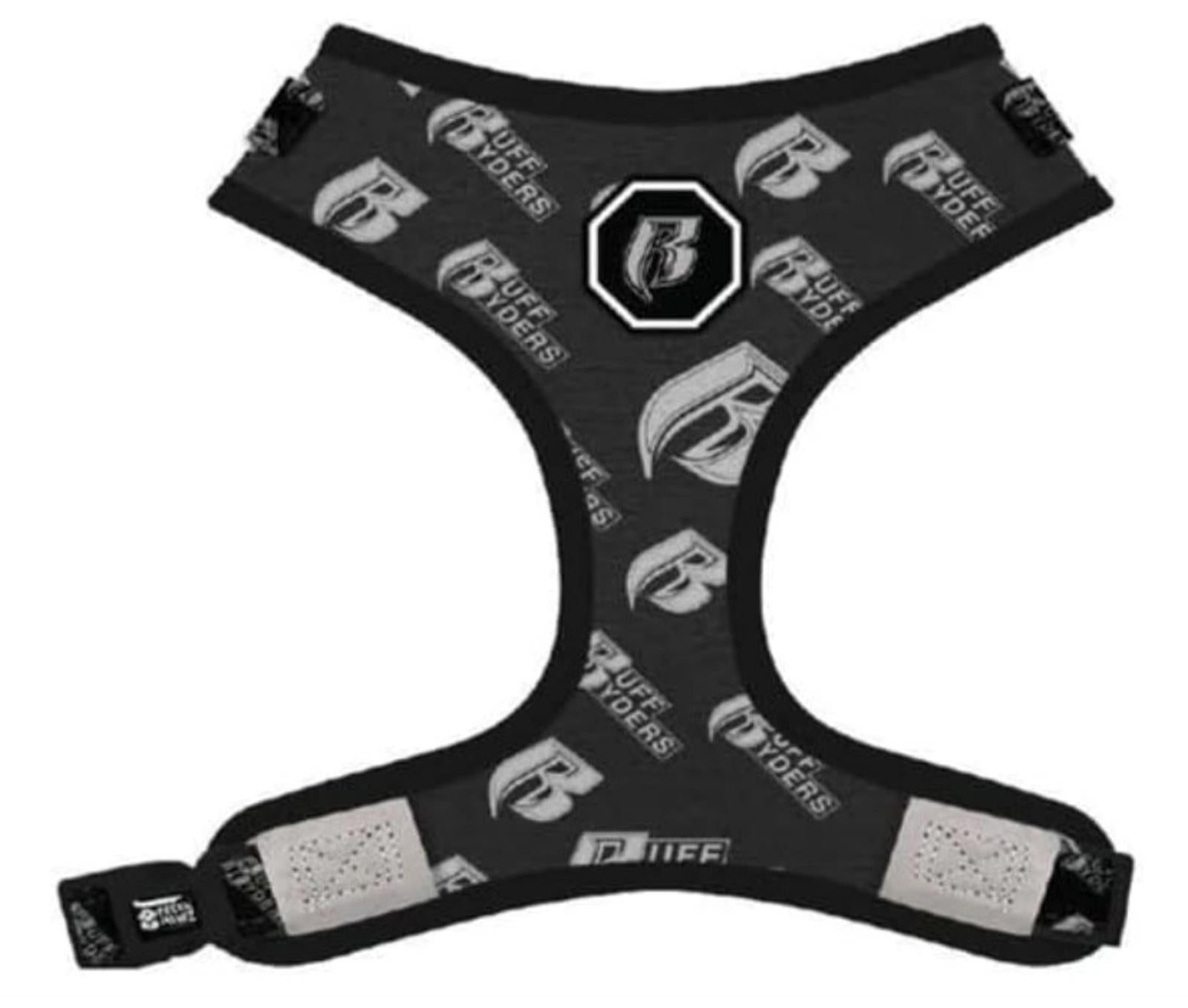
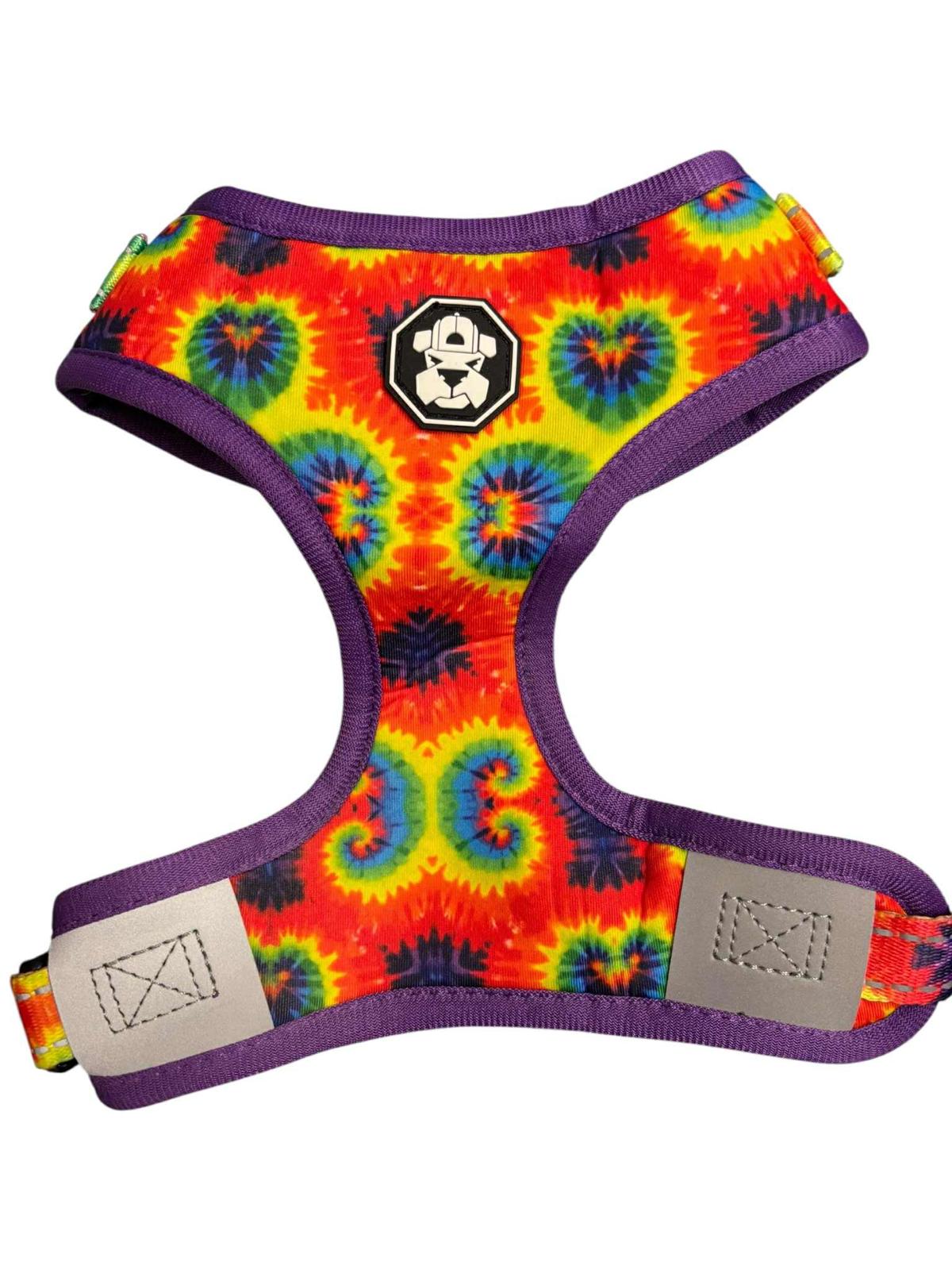
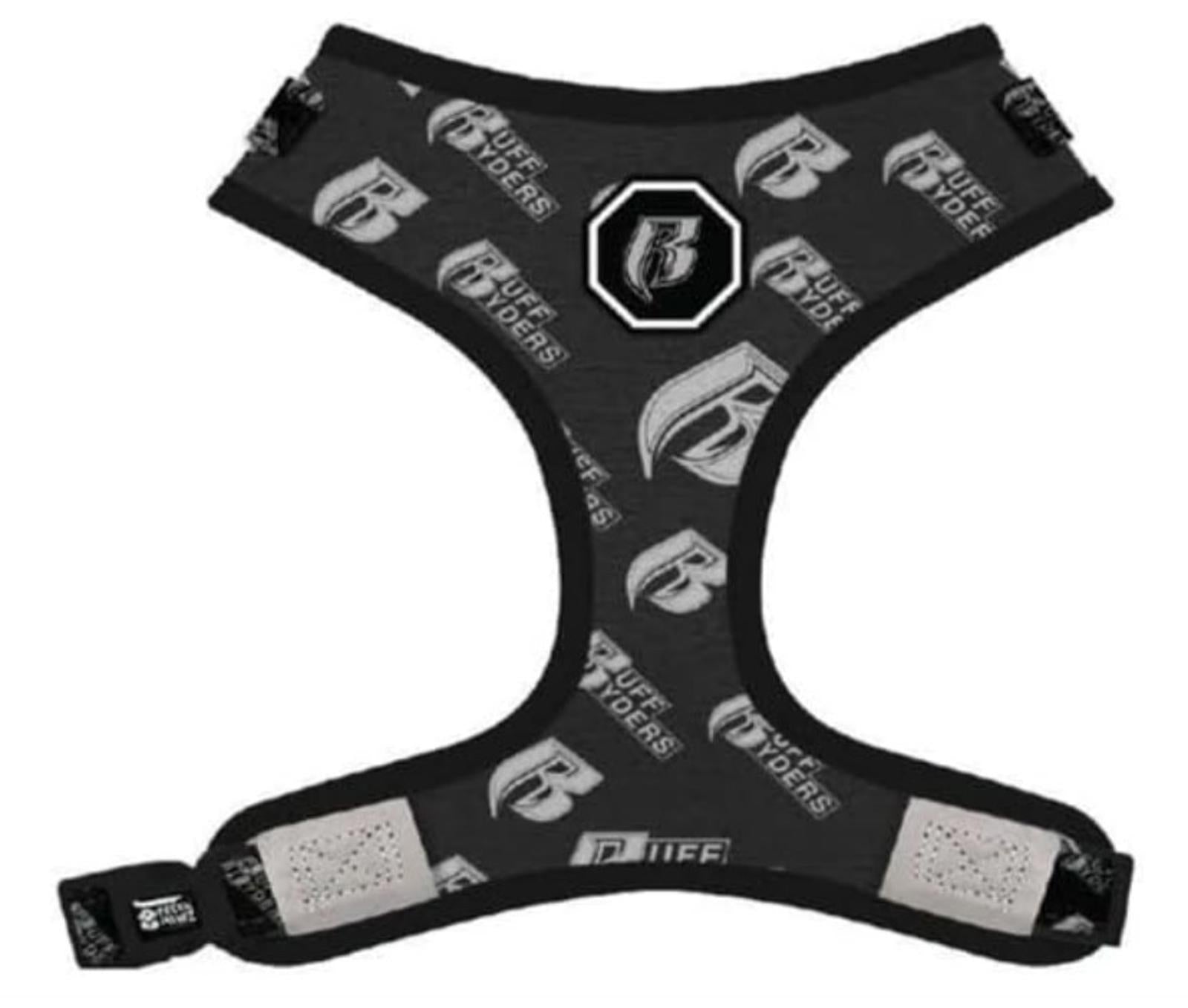
If you want a harness and leash in one set, the Touchcat Radi-Claw combo pairs a cotton-blend cable harness with a swivel-hook leash and snap buckles.
For cats that need a vest-style fit, Mr. Peanut's PurrTrek uses four adjusting straps and a reflective strip for evening walks.
Measuring your cat is the part most owners rush, and it is the reason so many harnesses end up in a drawer.
Frequently Asked Questions
How do I know what size harness to get for my cat?
Measure your cat's chest girth at the widest part of the rib cage, just behind the front legs, and their neck circumference. Compare both numbers to the harness's size chart rather than guessing. If your cat falls between sizes, choose the size that covers the larger measurement and tighten the adjustable straps. A harness that is too small will rub, and one that is too large gives a cat room to slip out.
Can I choose a cat harness size by weight?
Weight alone is not reliable for cat harness sizing. Two cats at the same weight can have very different chest girths depending on body shape and coat. Use weight only as a rough starting point, then confirm with a tape measure. A 17 lb cat, for example, may wear a medium in one harness style and a large in another, so always check the chest and neck ranges on the size chart.
How snug should a cat harness fit?
A well-fitted harness should be snug enough that you can slide no more than two fingers under each strap. It should not pinch, twist, or restrict shoulder movement. Watch your cat walk, sit, and stretch; if the harness shifts sideways or the straps loosen, tighten them slightly. Check the fit again after a few outings, since straps can settle once your cat moves around.
How can I measure a squirmy cat for a harness?
Measure when your cat is calm and preferably after a meal or play session. Have a helper hold the cat gently, or measure one section at a time and reward your cat with a treat between steps. Use a soft tape measure or a piece of string you later lay flat against a ruler. If your cat will not stand still, take the chest measurement first, since it matters most, and remeasure later to confirm.
